
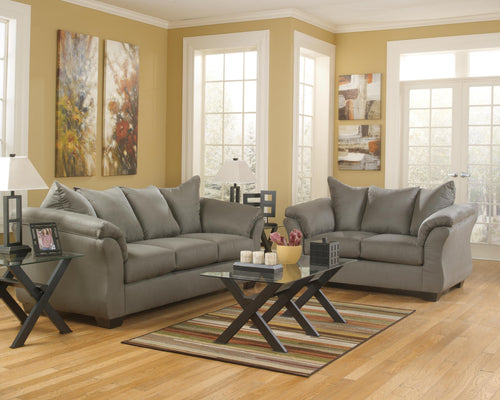
New living room furniture is a significant purchase, and most people delay it longer than they should. That old sofa might still function, but if it’s causing back pain, clashing with your 2025 renovation, or simply falling apart, holding on rarely makes financial or practical sense.
Here’s the truth: buying new living room furniture makes immediate sense when you’re dealing with severe wear affecting comfort, health issues from sagging seating, major life changes like a move or growing family, or a full renovation that leaves your old pieces looking out of place. Your living space is likely the most-used room in your house, so outdated or uncomfortable furniture affects everything from daily relaxation to how you host guests.
Key triggers that signal it’s time to buy:
-
Main seating is over 10 years old with visible sagging or structural issues
-
You experience discomfort or pain after watching TV or movies on nights
-
Life changes (baby, pets, remote work) have made your current setup impractical
-
Recent remodeling makes existing pieces look mismatched
This article will help you determine if now is the right time, what to look for when choosing living room furniture, and how to purchase wisely rather than impulsively.
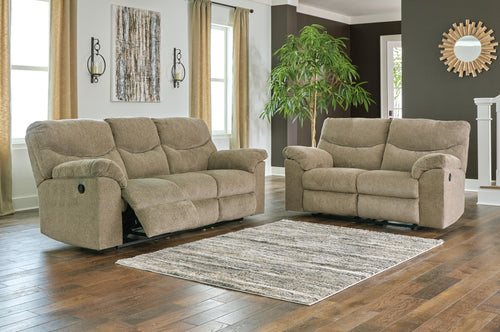
1. When Your Existing Furniture Is Past Its Practical Lifespan
Every type of room furniture has an average usable life, even if it still technically works. Understanding these ranges helps you make rational decisions rather than waiting until something collapses.
Typical lifespan ranges for busy households:
|
Furniture Type |
Expected Lifespan |
Notes |
|---|---|---|
|
Sofas and sectionals |
7–15 years |
Lower end for constant use, like daily TV watching |
|
Recliners and accent chairs |
7–10 years |
Mechanisms wear faster than frames |
|
Coffee table and side tables |
10–20 years |
Solid wood lasts longer than laminate |
|
TV stand and media units |
10–15 years |
Often replaced when technology changes |
Clear signs that age is the real problem:
-
Cushions sinking more than two inches under body weight
-
Creaking frames when you sit or shift position
-
Visible dents, warping, or peeling of faux leather
-
Loosened joints that wobble under normal use
-
Foam that no longer springs back after compression
Check manufacturing tags under cushions or on frames to see actual production dates. Many sofa sets purchased between 2010 and 2015 are now at natural replacement age in 2026, particularly those using particleboard frames that degrade faster than solid hardwoods.
Extremely inexpensive furniture often fails within 3–5 years, especially in high-traffic family rooms where fabric sofas endure daily abrasion. Balance emotional attachment with safety, comfort, and function; a piece that hurts to sit on or wobbles dangerously has served its purpose.
2. When Comfort and Support Affect Your Health
That stiff back or sore neck after a long evening isn’t necessarily aging; it’s often worn-out seating that no longer provides adequate support.
Health red flags that indicate replacement, not just fluffing:
-
Waking up from a movie night with back or hip pain
-
Seats that tilt you toward the center or sink several inches when you sit
-
Avoiding certain chairs because they make your back worse
-
Constantly shifting position to find comfort
Older cushions lose density through foam breakdown, with materials degrading up to 50% after five years of heavy use. This directly affects posture during long streaming sessions, gaming, or working on a laptop from the sofa.
Test each piece intentionally. Sit for 15–20 minutes and notice whether you shift around constantly. If you can’t get comfortable, no amount of throw pillows will fix the underlying problem.
Quality new furniture offers high-resilience foam that maintains support, proper lumbar positioning in recliners, seat depths of 24–26 inches for thigh support, and heights of 17–19 inches that make standing easier for those with joint issues.
For households with older adults or anyone with chronic back conditions, prioritizing ergonomic seating in 2026 makes far more sense than clinging to pieces from the early 2010s.
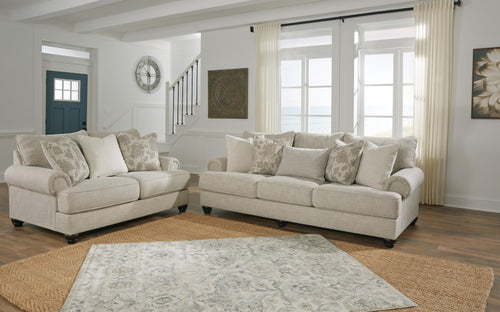
3. When Life Changes Make Your Current Setup Impractical
Major transitions often make existing furniture feel wrong, even when nothing is broken. Your life has changed, and your space should match.
Common life changes that justify new purchases:
-
Moving from a studio to a larger home and needing more seating for a large family
-
Welcoming a baby or toddler, requiring stain-resistant materials and rounded ottoman or coffee table edges
-
Adding pets and discovering upholstery that traps pet hair and odors beyond what you can spot clean
-
Transitioning to hybrid work and needing a layout that supports both relaxation and productivity
Evaluate whether your current pieces support your lifestyle:
-
Enough seats for people who regularly gather (a family of four needs at least four comfortable spots)
-
Adequate surface and extra storage for remotes, chargers, toys, and work items
-
Clear walking paths, you should leave room for movement without squeezing past oversized arms
Buying new furniture is often smarter than forcing old pieces into layouts that no longer work. After a move in 2025–2026, practical upgrades include sectional couches for guests, sleeper sofas for overnight visitors, and storage ottomans for apartments with limited closets.
Child safety matters too. Sharp coffee table corners contribute to roughly 40,000 pediatric injuries annually, making rounded edges a worthwhile consideration when choosing pieces for homes with young children.
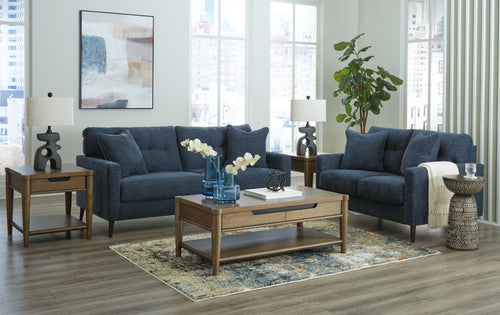
4. When Your Style or Home Has Evolved Significantly
Even well-built furniture can feel wrong once your aesthetic changes, especially after renovations in 2025 or 2026. Style mismatch is a legitimate reason to upgrade.
Common style-mismatch signals:
-
A bulky brown microfiber sofa from 2012 clashing with a fresh, light color palette
-
Dark, heavy media units look out of place after wall-mounting a slim TV
-
Mismatched pieces make a newly purchased house feel less like yours
-
Your living room is serving as a video call backdrop that looks dated
It makes sense to purchase new living room furniture when you’ve recently redone the floor or wall colors, and old decor drags the room down. Your personal style has likely evolved, and furniture should reflect that.
You don’t need to replace everything. Focus on key pieces that define the space: sofa, main recliner, media unit, and tables. Plan a cohesive style before shopping, modern minimalist, rustic wood tones, mid-century lines, or eclectic mixes, then choose 2–3 anchor pieces that establish that look.
Consider timeless elements: neutral upholstery in greiges or soft off-whites, simple lines, and balanced proportions that will still look good when you refresh decor around 2030. Trends like overly ornate carvings tend to date within 2–3 years.
5. When Safety, Cleanliness, or Allergies Are a Real Concern
Old living room furniture isn’t just a style issue; it can become a genuine hygiene and safety problem that affects daily life.
Warning signs that safety or cleanliness alone justify replacement:
-
Torn upholstery exposing foam or springs that could cause injury
-
Wobbling end tables or coffee tables that could tip onto kids or pets
-
Strong musty smells persist even after deep cleaning
-
Visible dust is released from the cushions when you sit
Upholstered furniture used heavily from 2010–2016 can trap dust mites (1,000–10,000 per gram in humid conditions), dander, and allergens deep in padding where vacuuming captures only about 60% of particles.
Newer 2025–2026 furniture materials often include tighter weaves, reducing allergen penetration by up to 50%, improved stain resistance, and easier cleaning. Safety standards have also improved, with sturdier frames, geared recliner mechanisms that don’t fail unexpectedly, and tempered glass tables that shatter into safe pebbles rather than dangerous shards.
For anyone with asthma, allergies, or sensitive skin, prioritizing replacement of problem pieces makes sense since the living room sees daily use by everyone in the household.
6. When You’re Ready to Invest in Quality and Long-Term Value
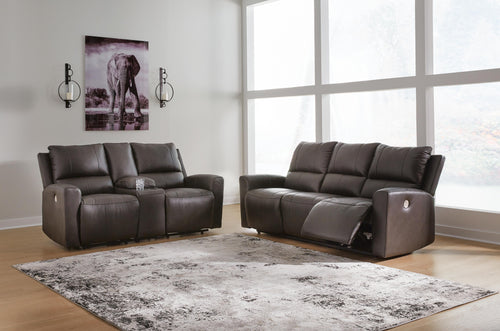
Sometimes buying new living room furniture isn’t about emergencies; it’s about stepping up to better quality that will serve you well into the 2030s.
What quality looks and feels like:
-
Solid wood or high-grade engineered frames resisting deflection under 400-pound loads
-
Joint construction using dowels, screws, and corner blocks rather than staples alone
-
High-resilience foam (2.5+ pounds per cubic foot density) that rebounds rather than flattening
-
Durable, tightly woven fabrics enduring 30,000+ double rubs, or full-grain leather that breathes
The math often favors investing more up front. Replacing a $400 cheap sofa every 3–5 years costs more over a decade than one quality piece at $1,500–3,000 lasting 10–15 years with proper care.
Where to invest vs. where to save:
|
Invest More |
Save Here |
|---|---|
|
Main sofa or sectional |
Throw pillows and accent decor |
|
Primary recliner used nightly |
Decorative side tables |
|
Durable anchoring coffee table |
Seasonal accessories |
Choose timeless designs, neutral colors, simple lines, and balanced proportions that adapt to future style changes. A well-made loveseat or sectional in a classic fabric won’t look dated when you repaint in 2030. Consider furniture options from established makers with 15-year warranties on frames and cushions.
7. How to Decide If Now Is the Right Time to Buy
Use this quick self-assessment to evaluate your situation honestly.
Answer yes or no to each:
-
[ ] Are any seats sagging or causing discomfort after 20–30 minutes?
-
[ ] Have the main sofa or chairs been in constant use for more than 10 years?
-
[ ] Have you had a major life or home change since 2024 (move, baby, pets, remodel)?
-
[ ] Do you feel embarrassed having friends or guests sit on your living room furniture?
-
[ ] Do cleaning or repairs no longer make a noticeable difference to stains or wear?
If you answered yes to three or more questions, buying new furniture is justified.
Planning sequence before you shop:
-
Measure the room and doorways to ensure pieces fit
-
Define primary function: lounging, entertaining, gaming, or mixed use
-
Set a realistic budget and prioritize 1–2 key pieces first
-
Decide where to create conversation zones for gathering
As a general rule, buying in planned stages, seating this year, tables next year, beats impulsively replacing everything during a holiday sale. Thoughtful decisions outlast rushed ones.
8. Final Thoughts: Turning Your Living Room Into a Space You Actually Love
Buying new living room furniture makes sense when it genuinely improves daily comfort, protects your health, addresses safety concerns, and fits how you actually live in 2026. The central role your living room plays in real life, from quiet evenings to hosting friends, means this purchase directly affects how you feel at home.
The green lights are clear: serious wear past practical lifespan, ongoing discomfort affecting your body, big life transitions, style changes after recent updates, and allergy or safety concerns that cleaning can’t fix.
View new furniture as a long-term investment in daily satisfaction, not just a quick decor refresh. Before visiting a furniture store or browsing online, take inspiration photos, gather measurements, and honestly assess how you use the space. Match your choices to your actual habits, whether that’s rattan accents for a relaxed vibe or a durable sectional for a growing family.
Your living room should feel welcoming every single day. When your current setup no longer delivers that, it’s time.
Get Living Furniture at Golden Linens & Furniture Today
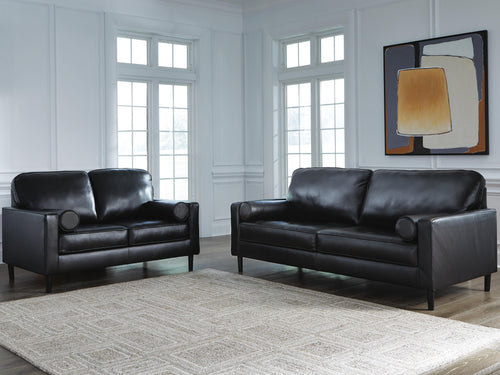
Upgrade your home with living furniture at Golden Linens & Furniture today and create a space that is comfortable, stylish, and built for everyday living. From sofas and sectionals to coffee tables and accent pieces, the right combination of furniture helps bring balance, function, and personality into your living room. A well-designed setup makes it easier to relax, entertain, and enjoy time with family and friends
Now is the perfect time to refresh your living space. Get living furniture at Golden Linens & Furniture now and create a room that feels inviting, organized, and ready for every moment at home.
