
Key Takeaways
-
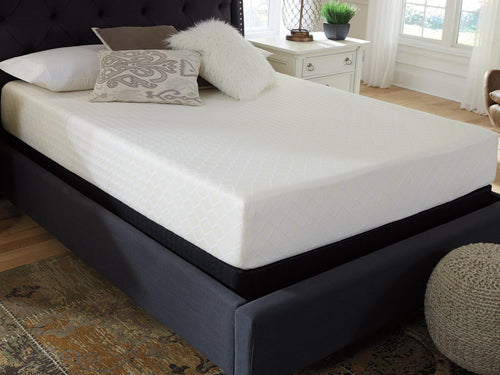
Your mattress base is the supportive structure that your mattress sits on, which can include adjustable frames, traditional box springs, or solid platforms, and it’s just as important for comfort as the mattress itself.
-
The wrong mattress base can cause sagging, back pain, and cut years off the life of a new mattress, with 25-40% of premature mattress failures traced to incompatible bases.
-
Different mattress types require different support: memory foam, latex, and hybrid mattresses require a solid, flat surface or a slatted base with slats less than 3 inches apart, while innerspring mattresses traditionally pair best with box springs.
-
Bed height, airflow underneath the mattress, and room constraints like bunk beds all depend on your choice of mattress base.
-
Treat your mattress and mattress base as one complete sleep system chosen around your specific sleep needs for optimal results.
Why the Mattress Base Matters for Comfort
Many people upgrade to a new mattress in 2026 but neglect the base, then wonder why their sleep quality doesn’t improve as expected. Over 33% of Americans achieve less than the recommended number of hours of sleep each night, highlighting the importance of a suitable sleep environment provided by a proper mattress.
The mattress base is the foundation of your entire sleep system, influencing spinal alignment, pressure relief, and perceived firmness. A proper mattress base helps protect your mattress, extend its lifespan, and improve overall sleep quality.
Even a premium memory foam or hybrid model will feel less comfortable and break down faster on an improper or worn-out base. Consider the difference: a mattress placed directly on the floor lacks adequate support and airflow, while the same mattress on a supportive bed frame maintains its intended feel and performance.
What Is a Mattress Base? (And How It Differs from a Bed Frame)
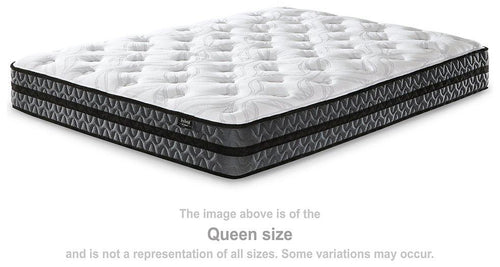
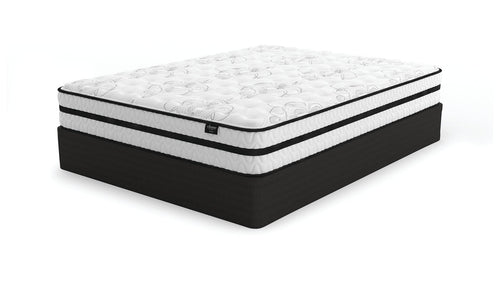
A mattress base is the structure directly supporting your mattress. This includes foundations, slatted platforms, adjustable bases, or traditional box springs. A mattress base is essential for providing support and maintaining the integrity of your mattress, which can extend its lifespan and improve sleep quality.
A bed frame, by contrast, is often the outer structure (solid wood, metal frame, or upholstered design) that may or may not include a supportive mattress base inside. Platform beds are designed to hold your mattress without requiring any additional foundation or box spring, providing a solid support system. However, a simple metal frame usually still needs a separate foundation or bunkie board.
Understanding these differences helps you know whether to replace only the mattress base, only the frame, or both. Beyond comfort, mattress bases affect bed height, under-bed storage options, and overall bedroom aesthetic appeal.
How the Right Mattress Base Improves Comfort and Health
Choosing the right mattress base is essential for both physical comfort and the longevity of your mattress. A good mattress is essential for maintaining optimal health and well-being, as it plays a crucial role in sleep quality, which is necessary for cognitive function, emotional regulation, and physical health.
Here’s how the right base delivers these health benefits:
-
Spinal alignment: A stable, even mattress base keeps the spine in neutral alignment, reducing morning stiffness, lower back pain, and neck discomfort. The right mattress can alleviate body pain, particularly in critical areas like the back, hips, and neck, by maintaining spinal alignment.
-
Prevents sagging: An appropriate base prevents mattress sagging and hammocking, which creates pressure points at the shoulders, hips, and knees. A high-quality foundation prevents the mattress from sagging, which can cause back pain, muscle tension, and neck stiffness.
-
Fine-tunes firmness: Bases with the correct level of flex can adjust the responsiveness of the mattress surface. To increase overall firmness, choose a base with rigid, closely spaced slats, which enhances mattress support.
-
Temperature regulation: Foundations like slatted bases enhance airflow beneath the mattress, preventing heat buildup and reducing sweating. Choosing a slatted base rather than a solid one enhances ventilation, making it better for hot sleepers.
-
Proper bed height: Correct bed height makes getting in and out of bed easier and safer, especially for older adults or those with joint pain and mobility issues.
Common Types of Mattress Bases and Bed Frames
There is no single best base; comfort depends on body type, sleep style, and mattress construction. Understanding each option helps you find the perfect mattress base for your sleep setup.
Box Springs vs Modern Foundations
Traditional box springs contain internal coils that add bounce and height. They were designed to complement older innerspring mattresses by enhancing responsiveness. However, using a box spring with modern foam or hybrid mattresses can lead to inadequate support and may void the mattress warranty, making a solid foundation or adjustable base a better choice.
Modern foundations use solid panels or tightly spaced slats to provide even, rigid support that keeps foam and pocket coils properly aligned. Unlike traditional bed frames with box springs, these foundations offer a solid surface that prevents sagging.
Many mattress manufacturers require a specific type of base to keep the warranty valid; always check the guidance before purchasing. Choosing between standard and low-profile foundations allows you to fine-tune bed height for comfort and room aesthetics.
Platform Beds and Slatted Bases
Platform beds function as both frame and mattress support, using either solid decks or wooden slats. These deliver stable, uniform support and improved motion isolation compared to squeaky older frames. Platform bases can absorb up to 80% less partner movement, reducing motion transfer significantly.
Slat spacing matters critically for mattress needs and longevity. Memory foam, latex, and hybrid mattresses require a solid, flat surface or a slatted base with slats less than 3 inches apart. Wider gaps allow foam to sag between slats, reducing lifespan by 20-50%.
Slatted bases improve airflow to prevent heat and moisture buildup within the mattress. Choose a slatted base that allows air circulation underneath the mattress to reduce heat buildup. This is essential since core body temperature must drop 1-2 degrees for sleep onset.
Platform beds come in varying heights, influencing perceived firmness, ease of getting in and out of bed, and built-in storage space. Some slatted bases offer slight flex that can make a firm mattress feel more adaptive. Side sleepers often prefer the slight give of a box spring, which helps contour the shoulders and hips, reducing pressure points.
Adjustable Bases
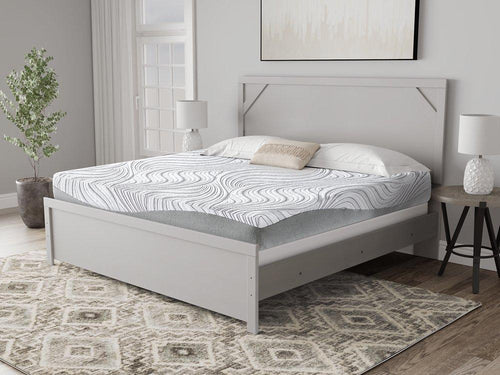
Adjustable bases allow you to raise your head and/or legs to find the perfect position for comfort, entertainment, and pain relief, enhancing the sleep experience. Elevating the head can ease snoring, mild sleep apnea, and acid reflux through gravity-assisted esophageal closure, with clinical trials showing 40% symptom reduction.
Adjustable bases can relieve pressure on the tailbone, hips, and lower back by allowing elevation of body parts. Many adjustable bases feature a zero-gravity setting that promotes improved circulation and reduces swelling. This position redistributes weight off the lower back by 25%.
These bases pair especially well with flexible mattresses like memory foam and many hybrids, but confirm compatibility before buying. A mattress that fails to provide proper support can exacerbate sleep disorders such as insomnia or sleep apnea, further diminishing rest and overall health.
Modern 2026 models often include massage options, memory presets, under-bed lighting, and USB ports for added convenience. Adjustable bases typically remove the need for a separate foundation but may combine with decorative upholstered frames.
Metal Frames, Bunkie Boards, and High-Rise Frames
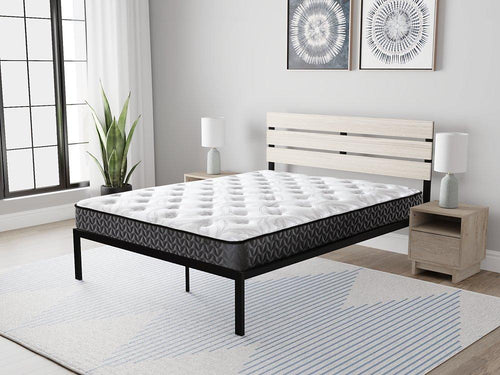
Basic metal frames are primarily structural support and usually require a foundation or box spring on top to deliver adequate mattress support. Most bed frames in this category need additional components to offer adequate support.
Bunkie boards are thin, rigid panels used to add uniform support and control bed height in settings like bunk beds, daybeds, and low-profile platform beds. For bunk beds, comfort hinges on bunkie boards ensuring slat gaps under 3 inches, supporting up to 400 pounds on upper bunks.
High-rise metal frames can support a mattress directly while offering generous storage space, but comfort depends on the quality and spacing of their support grid. Flimsy metal frames or grids with wide gaps cause uncomfortable dipping and reduce mattress lifespan. Heavier sleepers over 250 pounds need bases rated 600+ pounds, as standard models fail twice as fast under overload.
These options often serve space-saving or mobility needs, so consider both sturdy support and practicality when choosing.
Matching Your Mattress Base to Your Mattress and Sleep Needs
The best mattress base complements your specific mattress construction and your personal needs. Mattress compatibility is vital; innerspring mattresses traditionally pair best with box springs, while memory foam, hybrid, and latex require a solid surface.
The most critical factors for mattress base selection are mattress compatibility, preferred sleeping position, and specific health needs:
|
Sleep Position |
Recommended Base |
Why It Works |
|---|---|---|
|
Side sleeper |
Flexible slats or box spring |
Allows shoulder immersion, reducing pressure points |
|
Back sleeper |
Rigid foundation |
Maintains neutral spinal alignment |
|
Stomach sleeper |
Rigid, flat foundation |
Prevents exaggerated lumbar arching |
For back and stomach sleepers, a rigid, flat foundation keeps the hips aligned with the shoulders. Heavier individuals and couples generally need sturdier bases with higher weight ratings and closer slats. Using a mattress base that provides consistent support can help maintain proper spinal alignment and prevent premature wear of the mattress.
If space is limited, consider a storage bed or a platform base with built-in drawers. Factor in ceiling height for bunk beds and the need for airflow underneath when choosing the right mattress base.
Considering Bed Height and Mobility
Overall bed height (frame + mattress base + mattress) affects comfort when getting in and out of bed daily. Selecting a mattress base involves ensuring compatibility with the mattress type and considering height for ease of entry/exit.
Ideal bed height typically allows a person sitting on the edge to have feet flat on the floor with knees at roughly a 90-degree angle, usually 20-24 inches total. A taller base can help people with mobility challenges stand up more easily, while low-profile foundations suit shorter sleepers or rooms with low windowsills.
For people with arthritis, hip or knee replacements, or balance issues, bed height can be as critical to overall sleep quality as mattress firmness itself. Swapping from a standard foundation to a low-profile model can adjust height by 4-6 inches without replacing the mattress.
How the Right Base Protects and Extends Mattress Life
Comfort isn’t only about how the bed feels tonight; it’s about how it will feel after years of use. Investing in a quality mattress is crucial for long-term wellness, as it provides benefits that extend beyond the bedroom, influencing daily performance and life satisfaction.
A supportive, well-matched mattress base distributes weight evenly and prevents chronic sagging, lumps, and soft spots. A mattress base can significantly improve sleep quality by reducing sagging and motion transfer, which can interrupt restful sleep.
Poor support causes internal damage to foam layers and coil systems, often outside visible wear. This leads to a gradual loss of comfort; studies show improper bases can reduce foam mattress lifespan by 20-50%.
Many mattress warranties in 2026 specify certain base types, slat spacing, and center support requirements. Using an incompatible base accounts for 25-40% of warranty claim denials. Think of the right mattress base as protection for your mattress investment, reducing how often you need to replace your bed.

Practical Tips for Choosing Your Perfect Mattress Base
When choosing a mattress base, consider the type of mattress you have, your personal comfort preferences, and the durability of the base options available. Here’s a step-by-step approach:
-
Measure current bed height and decide if you want your new sleep setup higher, lower, or the same
-
Confirm mattress compatibility with specific base options, check slat spacing (under 3 inches for foam or hybrid), weight limits, and warranty requirements
-
List your main sleep needs: pressure relief, motion isolation, or support for mobility issues
-
Test bases in person when possible: lie on the mattress with the intended base, move around, sit on the edge, check for noise and stability
-
Consider room layout: need for under-bed storage, space for children’s bunk beds, or preference for minimalist low platforms
Quality mattresses deserve quality rest underneath them. Look for durable materials, solid wood slats, or reinforced metal that will last 10-15 years with proper care.
FAQ
Can I put my mattress directly on the floor and still be comfortable?
While some people prefer floor-sleeping for its firm feel, it often reduces comfort over time. Poor airflow traps 15-25% more humidity, fostering mold growth and dust mites, especially in humid climates. The bed becomes harder to get in and out of, particularly for older adults with mobility challenges.
Low-profile bases or minimalist platform beds preserve a low aesthetic while improving hygiene and accessibility. Many mattress warranties do not cover use directly on the floor, which affects long-term comfort if the mattress degrades faster due to moisture buildup.
How do I know if my current mattress base is hurting my comfort?
Look for signs like new aches despite a fairly new mattress, visible dipping or sagging, creaking noises, or feeling the structural support through the mattress. Remove the mattress and inspect slats for warping, measure slat gaps, and check for broken supports or missing center support legs.
If comfort improves when the mattress is moved to a different, more supportive surface, your original base is likely the problem. Replace bases showing structural damage, even if they look cosmetically fine; your restful sleep depends on it.
How often should I replace my mattress base or bed frame?
Solid, high-quality bases often last longer than mattresses but require assessment every 8-10 years. Replacement timing depends on materials, weight loads, and signs of wear like sagging, loosened joints, or increased noise.
Upgrading the base can sometimes restore comfort to a mattress only a few years old, delaying full mattress replacement. Inspect your base whenever you buy a right mattress to ensure compatibility with modern foam, hybrid, or heavier designs.
Are bunk beds and loft beds as comfortable as regular beds?
Bunk beds can deliver equally comfortable sleep when they use a sturdy mattress base like solid slats or bunkie boards with proper spacing. Comfort challenges typically come from thin mattresses or weak support systems designed only for space-saving, not the bunk design itself.
Check weight ratings, rail height, and ladder stability for safety and quality rest. Low-profile, supportive mattresses and thoughtfully designed bases turn bunk beds into genuinely comfortable long-term sleep solutions.
Does an adjustable base work with all mattresses?
Many modern memory foam and hybrid mattresses work well with adjustable bases, but rigid innerspring designs may not flex safely. Look for labels indicating “adjustable-base compatible” or confirm with the manufacturer.
Mattresses that are too thick or have very stiff edge-support won’t contour smoothly, reducing comfort and stressing internal materials. When uncertain, prioritize flexible, medium-thick mattresses (10-14 inches) specifically designed to move with adjustable bases for your optimal sleep experience and a good night’s sleep.
Get Mattress Collection at Golden Linens & Furniture Today

Upgrade your sleep experience with the mattress collection at Golden Linens & Furniture today and create a bedroom that is comfortable, supportive, and designed for better rest every night. Whether you prefer plush comfort, firm support, or hybrid mattress options, the right mattress can improve sleep quality and help you wake up feeling refreshed. With a variety of styles and comfort levels available, it is easier to find a mattress that fits your sleeping preferences and lifestyle.
Now is the perfect time to refresh your bedroom setup. Get mattress collection at Golden Linens & Furniture now and enjoy a more relaxing sleep environment designed for comfort, support, and everyday rest.
